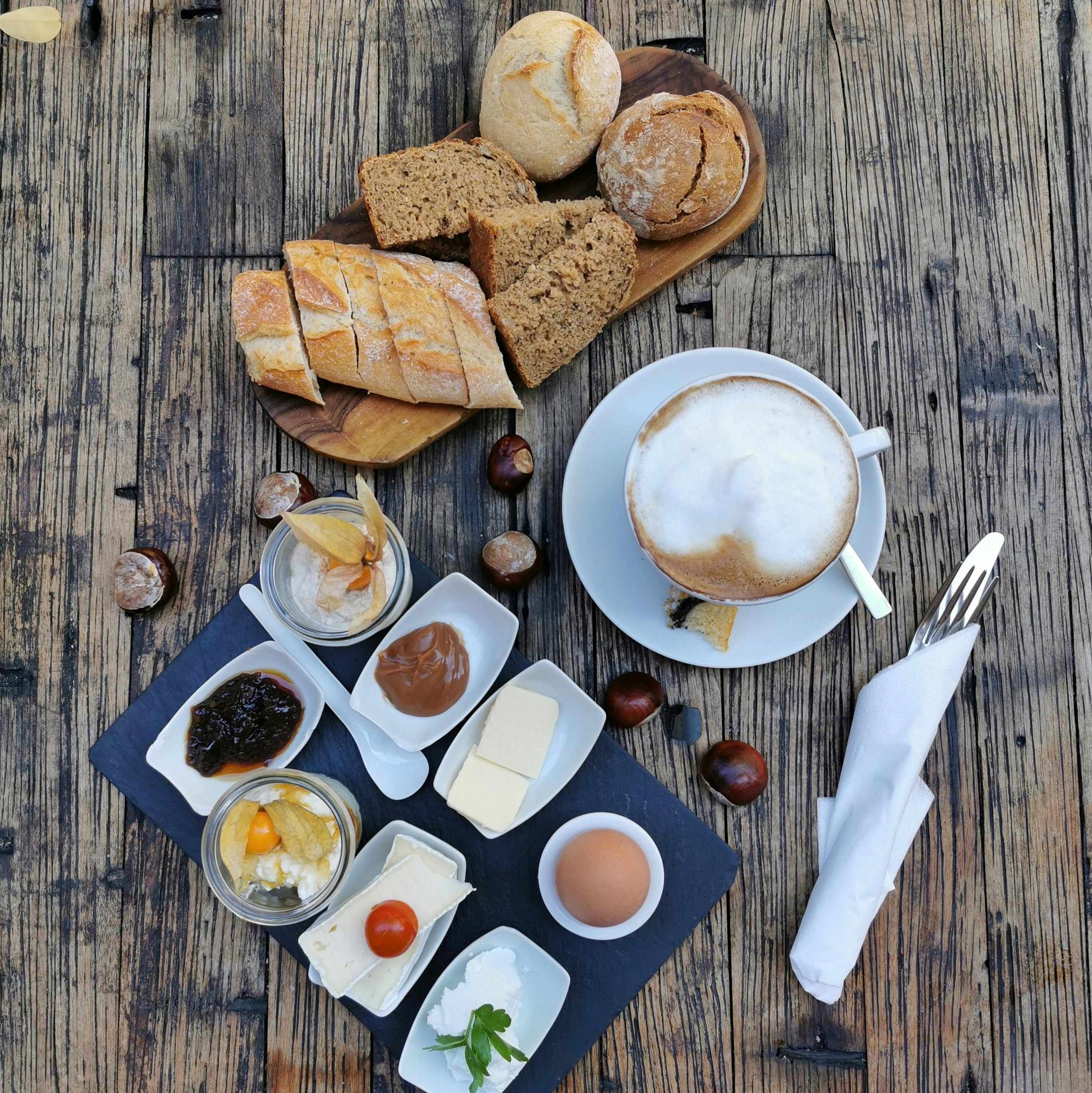
These were the words my 4-year-old nephew recently used while helping his grandma set the breakfast table:
“Isn’t life beautiful?”
Now, as much as I’d like to think I’ve got the wisest nephew in the world (certainly the most adorable), this is not something he had just come up with out of the blue.
The phrase comes from a very popular German audio series that dates back to 1988 (oh look, the same year I arrived in the world!). The stories revolve around the adventures of a talking elephant. For the Germans reading this, yes, I’m talking about Benjamin Blümchen! It’s an incredibly adorable series of audio adventures and while I grew up with a nightly ritual of listening to Benjamin Blümchen stories, this post isn’t (really) about my nostalgia.
Back to my nephew.
He frequently listens to these stories, and, as with anything kids hear repeatedly, he’s picked up some of the language. The moment when these words came to him was while he was setting the table with his grandma – a seemingly simple yet special moment during a rare weekend spent together.
I’m sharing this because it reminds me of the power of our environments and the language we surround ourselves with. I once heard something along the lines of “what we say to our children is their outer voice, and one day this outer voice will become their inner voice.”
It’s a phrase that has stayed with me ever since.
Over the years of teaching and working with kids, I’ve come to realise that much of what applies to our tamariki also applies to us adults.
The language we use – with each other and with ourselves – matters. It affects our self-perception, our relationships, and the way we move through life.
And with that, I leave you to reflect.
PS: While writing this entry (and doing some “research”), I came across this YouTube Channel with full episodes of Benjamin Blümchen in English. How good is that? Have a listen or a watch and let me know what you think. They’re lovely and slow and just wonderfully old-school. Enjoy!
 Imagine Play Inspire