Kia ora whānau
Today I wanted to share something with you that comes up in almost every class I teach and may sound familiar to you, too. It goes something like this:
“Franzi, he is copying meeee!”
A recent example of this: a group of children were working on sketching their dream houses at our school holiday art camp. They drafted what kind of rooms they had in their houses, the decor and details they were adding, and who would live in it. Smiles, giggles, lots of laughter… until one child said: “You’re copying me.” – and the laughter stopped.
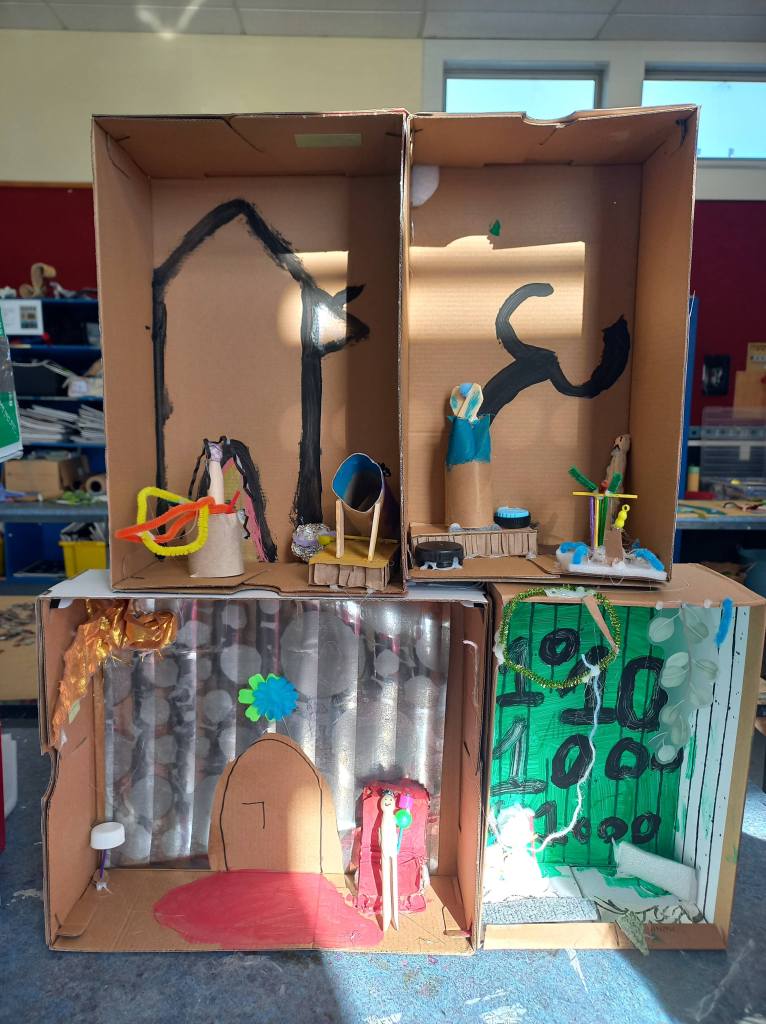
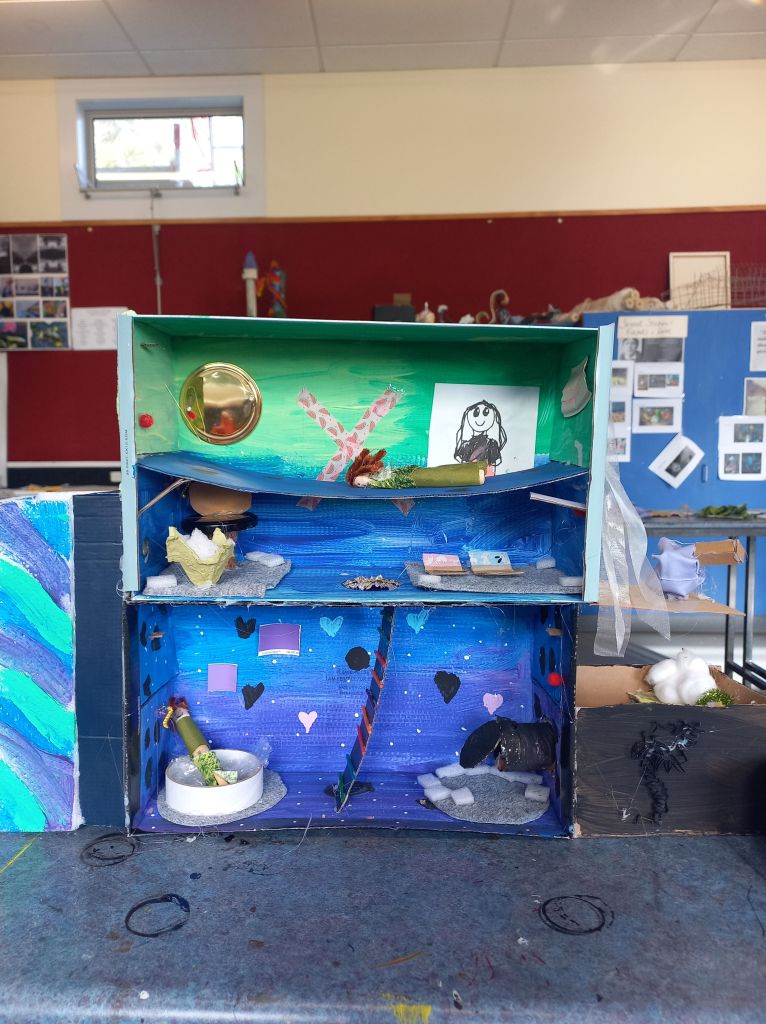
Now, I could have just ignored the comment. Copying and being copied is part of childhood, right?
Well, the teacher in me saw this as a wonderful learning (and reframe) opportunity.
Why?
Often, copying is just the initial phase of trying something new. With more time, practice and encouragement, it won’t take long for increasingly original self-expression. When we see something we like, we try it out, we copy it. We feel inspired to do so.
So, here’s what I did (and what you can try too, next time you hear your child’s concern about being copied):
1) Acknowledge – e.g. the feeling of frustration or annoyance of the child being copied. If it’s unclear how exactly they feel about the situation, just repeat what they have said. E.g. if they say, “Ted is copying me”, by saying “Ted is copying you”, you let them know that you were listening, you have really heard them. It sounds silly but it works.
2) Reframe – being copied means inspiring someone, giving someone ideas. ‘Just’ responding positively will do the trick to help change their perception. E.g. let’s go with the example from before, you could say: “Fantastic! What a compliment to your work! Ted likes your idea and wants to try it too. You have inspired him.”
In my work, I have not only seen kids grow taller in their chairs and proudly continue with their own work after hearing this but also, over time, share this newly discovered attitude towards copying with their friends.
If they’re open to chat more about this, you can even bring up some real-life examples. Bonus points if you bring up an artist (or athlete) related to their area of interest. Who did they copy when first starting out? Who had inspired them?
3) Emphasise – their uniqueness. Even when something is being copied by someone else, it’s always going to be different. Because they are them, and we are us. We are all unique and no one can take our ideas (or our ‘selves’) away from us.
One final comment: copying someone else’s work and labelling it as our own is a very different topic. (And would need a different approach.)
I hope this was helpful. As always, I’d love to hear any thoughts, comments or follow up questions – just leave a comment or send me an email. 😊
If you enjoyed this article, you might like our free newsletter too. It’s full of stories and ideas like this one – delivered right to your inbox.
Happy playing and creating,
Franzi 🌞
 Imagine Play Inspire